Wednesday, January 31, 2018

A Naturopathic Approach to Thyroid Dysfunction


The thyroid gland. That little gland on your throat has a mighty role to play, and with us in Southern Ontario living in the ‘goiter belt’ and the thyroids’ delicate nature, dysfunctions of the thyroid are a major concern to Ontarians. 
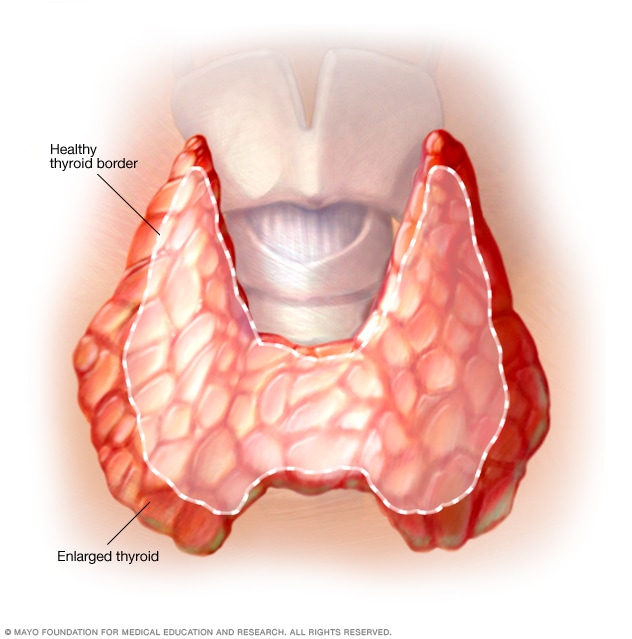
The thyroid gland is your master regulator of growth and metabolism.  It is involved in weight loss or weight gain, digestion, energy, reflexes, mood – the list goes on, but these are the big ones.  Over 50% of causes are undiagnosed as the medical world is only now acknowledging that testing can lead to false negatives and more credence has to be taken on symptoms than lab numbers.

The Thyroid is more complicated than we give it credit for

TSH (Thyroid stimulating hormone) is the most commonly tested thyroid hormone.  The most active thyroid hormone is T3 however, which can be free or bound, or can be convert to rT3 (reverse T3) which is believed to be metabolically inactive.  The body needs the necessary micronutrients such as iodine and selenium to convert T4 to T3 in the first place, so even if the thyroid is optimally being stimulated by TSH to produce the T4, it doesn’t necessarily mean the correct proportions of the other thyroid hormones are being produced.

Sub clinical hypothyroidism

If your thyroid lab numbers are ‘normal’, but your body says otherwise, you many be suffering from ‘sub clinical hypothyroidism’.  The most common presentation is low energy, cold hands and feet and an inability to lose weight.   See below for other signs and symptoms associated with thyroid issues.

Thyroid and other disease

Its not just about feeling tired and increased weight, but untreated thyroid can lead to cardiac disease, lupus, reproductive difficulties, diabetes, arthritis as well as many other health issues which are associated with a poor functioning thyroid gland. Research has shown that early thyroid treatment can, in many cases, reduce the incidence or severity of these high profile diseases.

Adrenal function and thyroid

The adrenal glands are two little glands that sit on top of your kidneys and help you regulate stress.  The adrenal gland and thyroid work closely together.  In fact, the adrenal-hypothalamus-pituitary loop is the bodies major regulator.  When the body is constantly under stress, this sets off a chronic inflammatory response in the body causing major dysregulation in numerous organs and glands, with the thyroid being one of the most affected.

Infection and Autoimmune thyroid disease

Infectious disease is proving to be a culprit of numerous autoimmune diseases, and Hashimotos thyroiditis is no exception.  EBV (Epstein Barr Virus) has been shown to change the immune status in susceptible individuals.  Other autoimmune conditions EBV is responsible for include systemic lupus erythematosus (SLE), multiple sclerosis (MS), rheumatoid arthritis (RA), Sjögren’s syndrome, and autoimmune hepatitis.  As a side note, EBV and Streptococcus (my personal nemesis, learn more about my experience with PANDAS in my blog) are known co infections, opening the door for even further auto immune conditions, and / or inflammatory conditions, such as neurological conditions (depression and anxiety), cancer, heart disease and diabetes. 

Why didn’t my doctor say anything before

This is a question we commonly get, and the answer is quite simple.  Conventional medicine doesn’t have the tools to support a subclinical thyroid imbalance.  As a matter of fact, even your Naturopath may first want to treat something else, such as your adrenal glands, nutritional status or toxicity level (underlying cause) instead of jumping right at the thyroid.

Thyroid supplementation or medication

There are many choices for thyroid treatment.  Supplementing with the cofactors such as Iodine, selenium, tyrosine are a common first step.  Certain herbs such as Bladderwrack have been shown to support thyroid function, and bio-identical thyroid such as Armour or Natural thyroid can also be extremely helpful.  BUT, like all disorders, treating the underlying cause such as adrenal dysfunction or infection is essential. 

Cause of thyroid dysregulation

The thyroid is very sensitive to chemicals, inflammation, infection, toxins and stress.  As a matter of fact, thyroid replacement has been reported as not beneficial during acute stress.  Lacking needed cofactors such as iodine, selenium, zinc, iron, Vitamin A, and fats are another very common cause.  Finally, genetics plays a leading role so if you have a close family member with thyroid dysfunction, take extra care to ensure you don’t follow the same route. (Naturopathic medicine can help with prevention of turning on those genes).
Medicine has only scratched the surface of this complicated gland, and patients are often reporting symptoms that respond well to thyroid treatment that aren’t on the ‘main list’ of commonly associated signs for thyroid disorder.  If you are starting to feel ‘off’, with low energy, brain fog, digestive issues or difficulty with temperature regulation, talk to your Naturopath about solutions – don’t wait until the lab numbers come back positive, so much can be done to prevent full thyroid disease from developing.


Hypothyroidism symptoms

·        weak slow heart beat
·        muscular weakness and constant fatigue
·        sensitivity to cold
·        thick puffy skin and/or dry skin
·        slowed mental processes and poor memory
·        constipation
·        goitre (increased size of the thyroid)

Hyperthyroidism symptoms

·        rapid forceful heartbeat
·        tremor
·        muscular weakness
·        weight loss in spite of increased appetite
·        restlessness, anxiety and sleeplessness
·        profuse sweating and heat intolerance
·        diarrhea
·        eye changes
·        goitre (increased size of the thyroid)


Ref (A possible link between the Epstein-Barr virus infection and autoimmune thyroid disorders) (A possible link between the Epstein-Barr virus infection and autoimmune thyroid disorders) (Anna Dittfeld, 2016)


Monday, November 27, 2017

Jumping on the Dot Journal Bandwagon

Gratitude journaling is a key component to mental health, something we should all be doing daily.  

As is taking a few minutes each day to reflect on what went well and what we can improve.  Making to do lists, and carrying those that need to over to the next day and tracking important (or not so important but interesting) things in our lives all help us stay organized and on top of things.  Finally but possibly most important, having a creative outlet adds the fun into our life.  

This is why I love the idea of ‘Bullet’ or Dot Journaling.  A colleague showed me her dot journal at a conference we attended a few weeks ago, and I fell in love – thank you Dr. Lisa Watson.

Now, Lisa, as well as being a fabulous ND, is also an artist.  So she quickly assured me that mine won’t be as super fantastic as hers, and that it doesn’t need to be.  A few simple concepts and bam, you are off the races keeping all your thoughts, hopes, to-do lists and happy moments all in one place.

I’m starting slowly, but can see how this could easily become an addiction.  As you peruse the internet you will see countless sites, blogs and boards devoted to this really cool concept.  

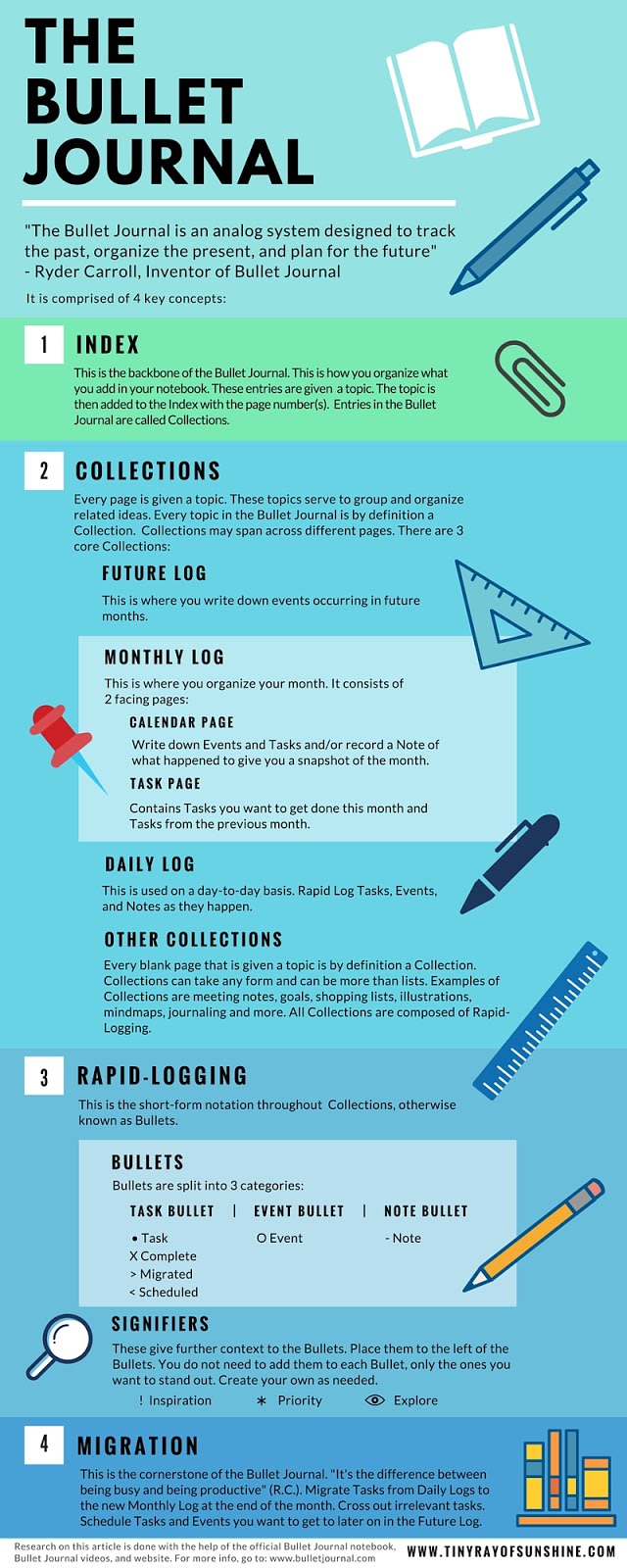
Here is a great infographic I found to help you get started.  

So, go buy yourself a journal and happy bulleting!  Keep me posted on your progress.


Tuesday, October 31, 2017

Theories behind PANDAS and why I think this happened to us


A perfect storm Inflammation (Sam suddenly started drinking milk, something she had never done before which we know she is sensitive to = immunological activation + inflammation).  This also affected her gut health which is strongly correlated with immune and neurological function.

Sam caught Strep which began molecular mimicry and overactivation of the immune system.  Molecular mimicry is when antibodies intended for foreign proteins and invaders may cause lesions and pathology in healthy tissue (nerve cells). These now act as ‘neurotoxins’ in the brain.

 “PANDAS is believed to be caused in part by molecular mimicry – the neurological symptoms being a result of GABHS antibodies acting against an individual’s basal ganglia and neural tissue”

General stress so that there are less resources available for the body to deal with the gut, immune and inflammation issues mentioned above.  High cortisol levels and hormones in general (starting grade 6 – I took Sam to Universal studios for her birthday Sept. 15th – 18th, so the stress of coming back to reality, starting Grade 6, so many kids / social situation to deal with after the summer of general ease, school work, hormones etc).

Energetically, some would (and have) say this happened for my journey to be a better doctor and Naturopath.  Navigating the school and medical system to access resources, REALLY understanding what parents are going through, and I'll admit, it's been a while since we've been gluten and dairy free, so even navigating the grocery stores.  I 'know' what to do yes, but the learning curve of applying it all again.

The plan
1.      Anti-microbials
2.      Anti-inflammatory lifestyle (no gluten, no dairy, no corn, no sugar)
3.      Treat the gut
4.      Decrease neurotoxins
5.      Anxiety strategies

6.      Home schooling for 4-6 weeks (who knew YRDSB did this)

Sunday, October 29, 2017

A glimmer of hope through the hell – PANDAS confirmed


For the past 4 weeks, my family has been living through hell.  Our strong, independent daughter had turned into a scared, aggressive ‘wild animal’ overnight.  Each morning I would wake in a panic, what would this day bring?  The psychologists assured me forcing her to school each day was necessary, “you must fight anxiety with exposure, even if for 30 minutes” – but each exposure made the situation worse.  She went from extreme depression, to extreme anxiety to panic, aggression and opposition defiance, the symptoms getting worse.  Planning the follow day became a nightmare, would she go to school? what class? we can’t leave her alone so who will take off work?  I stopped booking patients and making any plans.  And although “mental health affects us all, let’s talk” is a common slogan – the stigma and embarrassment makes it hard to talk about.  I’m a Naturopath who FOCUSES on anxiety, how can my own child be this out of control?  How could I not have seen the signs?  From someone who never takes their children to the doctor I was having 3-4 appointments weekly with different specialists, private school, home schools, teachers – anything to help us dig ourselves out of the hell and start on a new path. 

It took 3 weeks before I could even start to tell my friends and family about what we were going through.  Finally, I broke down in tears in front on a colleague and friend, who once I told my story said “Deb – your daughter has PANDAS.  Test her for strep”.  A few days later, sure enough, Samantha tested positive for streptococcus.  Thank god there is a reason for this extreme abnormal behaviour, PANDAS is now part of my story, Pediatric Autoimmune Neuropsychiatric Disorder Associated with Streptococcus’. 


We begin treatment today and the research and battle begins.

Sunday, December 4, 2016

Are you full of Cr@#p? Step one to Healthy Living: Robust Digestion


In order to produce heart beat, breaths, energy in the form of ATP (the list goes on) our body is constantly producing waste, toxic waste*.  Good news, our bodies are also constantly eliminating this waste.  as long as Good In = Bad out all is well and we are in ‘homeostasis”.  But, in most of us, our BAD IN is on the rise.  I used to ask my patients how many bowel movements they had per day, looking for the perfect answer of 2-3 a day, 1 after each meal, and so rarely got it, that I now ask, “How many bowel movements do you have a week”.  With 5 now the norm.  Quite literally my friends, we are now a society that is full of crap.

 Why is this the case?  Poor food choices, inflammation, dysbiosis, slowing down of our metabolism, slowing down of our organ processes, inefficient elimination pathways producing generally sluggishness.  And for those of you thinking, oh, all I need is a coffee (or a glass of milk…or any substance typically on the ‘food that causes inflammation and sensitivities list) and I’m as regular as clock work – think again.  That coffee does the trick because it is irritating the mucous membranes, causing inflammation – so yes, its helping to some degree, but it is not indicative of a healthy robust digestive system. 

The first step for any wellness program is to create a healthy digestive track, with a minimum of 2 bowel movements daily, well formed, no heart burn, or gas, or bloating – even if those things are now ‘common’ doesn’t mean that that in normal.


Examples of potentially dangerous toxins / free radicals: *Ammonia, aldehydes, alcohols, hydroxyl radical, superoxide anion radical, hydrogen peroxide, oxygen singlet, hypochlorite, nitric oxide, homocysteine, cardon dioxide, bilirubin, adducts (often implicated in Fatty Liver disease).

Sunday, April 10, 2016

Eating a healthy diet, exercising and still not losing weight?


We have always known that stress leads to weight grain, and at the very least inability to lose weight.  Knowing that cortisol  is our body's 'stress hormone' it has taken a big part of the blame so far, but now we can add another stress hormone to the list of culprits - ANGPTL8 or betatrophin.

A new study shows that stress causes a hormone ANGPTL8, also knows as betatrophin to be release.  Betatrophin is a protein that regulates fat metabolism by decreasing the expression of a fat fighting enzyme, called adipocyte triglyceride lipase.

Just one more reason that stress management is so important when it comes to weight loss, as are setting realistic expectations.  I see so many patients come into my office who are exhausted, stressed out and anxious, but what they want to work on is weight loss.

It's pretty hard to talk someone who is hell bent on trying to lose weight to switch their focus to increasing energy and stress management, but it's all about removing the root cause, and once the root cause is discovered and removed, results will follow.

It also gives one more argument for stress reduction.  I have recently started getting my patients to spend a few minutes each day doing HeartMath breathing using the EmWave pro.  I first read about HeartMath from an author writing about Weight loss, how he has his patients do heart math breathing before each meal.  If you haven't had a chance to do it, come on in to the clinic and give it a try.


Reference
BBA Molecular and Cell Biology of Lipids February 2016: 1861(2); 130-137

Thursday, November 19, 2015

No Fish Oil or Green Leafy Vegetables?!!


 A patient came to see me today who has metabolic syndrome, the whole gamut of high waist: hip ratio, high blood pressure, fatty liver and diabetes.  She told me she had seen a dietitian who told her to avoid fats – including omega 3 FISH OIL, and to not have any green leafy vegetables.  I’m shocked that in today’s society, we know the fat myth has been debunked numerous times, yet, low fat, high grain diets are still being touted as the healthiest – even to diabetic patients!

Every cell in the human body is surrounded by fat – we NEED fat!  Fat then goes on to make our prostaglandins, our leukotrienes and our hormones.  Not only a vital part of communication, but 60% of the dry weight of the brain is fat, our nerves need fat to transmit signals and yes, its an energy source as well. 

Each one of us is different, and there is no one size fits all diet.  This patient was feeling constantly light headed and hungry with this low protein, low fat, high grain diet – and no wonder, the foundation of each meal was grains – oatmeal for breakfast and “whole grain” bread for lunch and dinner.  As a diabetic patient, with blood type O, the high grain diet is not in her best interested.  A higher protein, higher ‘healthy’ fat diet is needed for optimal health. 

There have definitely been patients who I have taken off raw green leafy vegetables for one reason or another.  But diabetes, high blood pressure and fatty liver were not the reasons.  Green leafy vegetables reduce toxins in the liver and promote liver enzyme production.    Liver enzymes protect the liver and rid it of foreign particles, including toxins and fat deposits. Salad greens--dandelions, endive and chicory--and artichokes stimulate bile flow in the liver. Bile is the secretion that assists the body with fat digestion.

So yes, enjoy your avocado, olive oil, and green leafy vegetables with fatty liver – your liver will thank you.

Tuesday, October 21, 2014

Brain Plasticity and Deep Meditation / Mindfulness

Countless studies are now showing us, that through mental training the brain can permanently be altered, a process now referred to as top-down plasticity (Begley, 2007).

Since my undergraduate work was in Genetics and Molecular biology, I have enthusiastically followed the epigenetics research, how environmental conditions can play a significant role in whether you will or will not get a specific disease – it’s not all in the genes, but rather in the gene expression.

Interestingly, the brain is no different.   Gene expression is turned on by novelty and surprise, thus, deep meditation or hypnosis (a state of altered brain wave patterns) can stimulate neurogenesis and the building of new neural pathways, hence, insight.

I guarantee you've experienced this yourselves.  You’ve spaced out for a few minutes, when all of a sudden a brilliant insight pops into your mind – that ‘spaced out’ feeling you experienced was a trance or hypnotic state.  As a matter of fact, the average person moves through natural neural rhythms of arousal to relaxation 12 times a day.

Mindfulness, deep meditation or hypnosis is a method to quickly induce the brain circuitry for plasticity.  PET scans show thought during deep relaxation, the left pre frontal lobe is activated and the right pre frontal lobe activity decreases.  The left pre-frontal lobe is associated with positive feelings, while the right with anger and anxiety.

Using this knowledge, experiments have been conducted on patients with anxiety, depression and OCD, all showing significant improvement when mindfulness techniques were included in treatment.

I’m a sucker when it comes to positive genetic changes in the brain, and love meditation but don’t have the time for it, nor do most of my patients – thus, my keen interested in hypnotherapy. Almost finished my 100 hours training, and can’t wait to start making positive change with my patients.
Dr. D

Tuesday, September 23, 2014

Sick Fat - The link between gut health, inflammation and metabolic challenges

Consider for a moment – your fat.  The fat around your belly, thighs, breasts, arms – this is not inert, benign tissue, this is a function organ, influencing your endocrine and immune system.

Which fat is the most problematic?  Let’s have a look at each kind:

1.       Subcutaneous fat – upper arms, back, legs, buttocks and subcutaneous abdominal fat – more benign, little harmful immune or metabolic effects

2.       Visceral fat – apple shaped, deep, around organs, men with ‘hard’ bellies – highly inflammatory and very biologically active fat

When fat cells become enlarged, their oxygen supply becomes inadequate, the cells begin to release hormones such as leptin – making you hungry and immune cells infiltrate, causing free fatty acids to be released into the body causing inflammation.  Since we know that almost all chronic degenerate disease is in an inflammatory, acidic environment, this isn’t just a, on no, I have to loose a few pounds problem, this become as a serious health risk and its dubbed – SICK FAT.

Do you have sick fat?  Consider your waist circumference to estimate your visceral or belly fat.Ideally, a waist circumference of < 70-75 cm in women and less than 75- 80 cm.

All you skinny people, don’t think you’re automatically off the hook.  “skinny fat” was a term coined for those who are metabolically obese, but normal weight.  So assessing actual fat levels is important for optimal health.

Why is this worth talking about.  Because, it means that your body’s fat is making you sick, it’s changing the way your immune system is responding to stimuli and leaving you primed for illness.  FAT cells release hormones (yup, its not just the brain or sex organs) which lead to this cycle of hunger, immune activation and increased fat.  It even causes a reallocation of nutrients, so even though you may think you’re getting enough nutrients from your daily multi, they’re not going where you need them to, leaving you fat yet undernourished!

The good news – there is a way to stop the cycle.  The link between gut health, inflammation and metabolic challenges is clear and resolvable.


Monday, March 24, 2014

Money Healthy Kids

 On the way home from camping last summer we stopped and bought the kids a treat to tide them over until we got home.  My daughter threw her arms around me and said “thank you thank you for buy me a treat mommy, thank you for paying for it and not making me spend my money.”  Why the overwhelming gratitude?  No, not because she’s treat deprived – Samantha just started getting an allowance.

It all started when she wanted to have a lemon aid and sell the juice at 5 cents a glass.  I tried to explain to her it would cost me more than 5 cents to supply the glasses and lemon aid, “but if it’s too expensive, people won’t buy it, so we need to make it cheap’ she told me.  I applauded my little entrepreneur’s spirit but realized it was about time we taught her the value of money.  She was also coveting a Lalaloopsy doll which she was saving up for with her tooth fairy money – the time was right.

The book Money Smart Kids by Gail van Oxlade was recommended to me by a friend, I read it, liked the concept and decided to implement it with my daughter just as she was finishing grade 1.  The premise is by giving kids money and a set of rules, they will develop lifelong habits on how to save and spend money, an important lesson that in today’s consumer society, kids often don’t understand.  It also gives them the opportunity to make money mistakes, better now at age 6 than age 26.

My husband balked when I told him Samantha was going to get $6 allowance a week, 1 dollar per year.  Yes, that seems like a lot, but here’s the catch, we no longer can dole out money.  Consider how much money you spend on your kids, the treat at the grocery store, ice cream truck, school book fairs, pizza day, class trips – it adds up.  No more dole (well, with only $6 a week sometimes you have to make an exception, i.e. she’ll have to pay for only half the class trip).   Shouldn’t she be earning her allowance?  According  Vax-Oxlade, the purpose of this exercise is to,  teach kids about money, not make them do chores or show your control over them – I have the money, I have the power kind of idea.  Also, it’s for a lot more than just fun money, they’ll be making some real decisions on how the money will be spent.  The $6 would be divided up – 10% long term savings, put towards University or a car, 5% charity, 45% planned spending (her Lalaloopsy doll or school trip) and the remaining %40 her ‘mad money’ to be spend on ice cream, food at Wonderland, book fair, Freezy Friday’s or whatever grabs her fancy. 

The ice cream truck went by our house a few weeks ago, not a common occurrence for us and usually the kids are allowed to indulge on these special occasions.  Samantha heard the truck, said, “Zacky, there’s the ice cream truck but I’m out of mad money so we can’t get one’ she didn’t even ask.  We decided to go out for dinner as a family last week, Samantha studied the menu hard, then quietly asked me with a very concerned look on her face, “mommy, do I have to pay for my own dinner”.? At $6 a week, not yet baby, not yet but soon.

It has been amazing so far.  Trips to the grocery store, toy store, even the candy store no longer have her begging for a treat, and she makes more of an effort to keep her room clean and help around the house, even though it’s not a requirement for the allowance.  After spending all her mad money at Canada’s wonderland one week, she quietly watched as her baby brother got an ice cream cone a few days later and she didn’t, a friend we were with asked her why she wasn’t getting one and she calmly informed her that she was out of mad money, she didn’t even ask.

So not only is my daughter learning the value of money, but I’m actually being appreciated when I do buy her something, thank you Gail Vax-Oxlade.

Tuesday, February 4, 2014

Happy Hormone - do you have what it takes?


Serotonin the body’s Happy Hormone is classified as a neurotransmitter and is what gives you a feeling of wellbeing and overall happiness.  As long as we have all the proper co-factors, are absorbing our food properly and are not blocking the pathways by anti-nutrients, we can make it.  So the question is, do you have what it takes? 

Co Factors needed in the production of Serotonin


1.      To absorb protein, we need enough HCL (stomach acid) in the gut, which needs a good supply of zinc, and B6 to be produced.

2.     Zinc, magnesium, Folate (the active form of folic acid, iron, B3 (niacin), Vitamin C, B6 and calcium are needed to convert the amino acid tryptophan to serotonin.


Anti – Nutrients

Anti-oxidants, alcohol, smoking, medications such as the birth control bill and even over the counter pain meds, pollutants are heavy metals can all leach these important nutrients out of the body – leaving you feeling blue.
The Gut Link
The gut produces 2/3 of your body’s serotonin!  No wonder there’s such a link to stomach inflammation disorders, anxiety and depression.
Testing available:

1.       Dysbiosis (inflammation due to candida or other stomach overgrowth) - $20
2.       Zinc Tally test - $5
3.       Heavy metal challenge test with minerals or hair mineral analysis $85 – 150
4.       Food sensitivity (causes inflammation in the gut) - $215 – 315
5.       Blood or urine Candida test

Monday, November 4, 2013

Get Sick This Winter

No, it’s not a typo, we want you to have at least 1 cold per year. When people tell us they haven’t been sick in years, we worry slightly.  Are the body’s defense systems too weak to mount a response? 

Colds, flus and coughs actually serve a very important purpose. These infections are one of the ways the body cleanses itself and how the immune system reboots itself. By producing fever and phlegm the body is able to purge and kill off the infection-causing bugs.

When you suppress these healthy and necessary immune processes with fever reducers or other over-the-counter medication, you are only down-regulating the body’s attempts to get you well; resulting in much longer illnesses and weaker immune systems.

Here are some easy ways you can strengthen your body and boost your immune system this winter:

Immune Boosting Vitamins

Vitamin D: proven anti-viral and anti-cancer effects

Vitamin C: in powder form or chewable tablets, antioxidant, anti-viral

Fish Oil: promotes healthy cellular membranes

Probiotics: healthy gut bacteria keep the digestive and immune systems healthy

Zinc: immune boosting, great as a lozenge for sore throats


Immune Boosting Lifestyle

Sleep: 6 to 8hrs of uninterrupted sleep allows the immune system to recharge

Exercise/Movement: keeps your lymphatic system flowing, crucial for immune health 

Balanced schedules: constantly hectic schedules are not good for your immune system. Recognize when you need to slow down and take a break

Self care: allow your self some “me time” every once in a while to recharge your whole body


Immune Boosting Herbs & Remedies

Natural Flu Remedy Pascoleucyn: given orally to children and as an injection to adults, this is our favourite flu prevention remedy

Deep Immune: a mixture of immune enhancing herbs, great for strengthening the lungs

Echinacea: our well-known immune boosting herb taken at the start of cold symptoms for no more than 10 consecutive days

Pleo-Not: our most favourite anti-bacterial remedy

Pleo-Quent: our most-favourite anti-viral remedy

Immune Boosting Diet

Greens: these vitamin and mineral-packed veggies can be added to smoothies and soups

Berries: full of antioxidants and vitamin C making them the perfect immune foods

Say no to sugar: unfortunately the immune system’s arch enemy. Wonder why the “flu” comes out in full force after Halloween???

Ease up on alcohol: this is where moderation is key. Too much alcohol will not only compromise liver function but it will also deplete the immune system.

Find easier-to-digest dairy and grains: cow’s milk and whole wheat are mucous-forming foods. Look for goat milk or non-dairy milk and cheese alternatives and give sprouted grain products a try.

Saturday, June 8, 2013

Living with Intention – Goal setting for weight loss


Today I taught a Bodycombat class at Goodlife.   Before class as the participants were lining up I walked down the line asking everyone their goals.  I like to know what people are trying to get out of the class so I can meet and exceed expectation.  Most of the class sadly didn’t have a goal in mind; a few said to finish the class, fair enough, one to work on form in punches and kicks, one to simply ‘make it’ to the gym, hmmm, already achieved, so now what?
 

So, when I started the class, I told them my goal for THEM this class, is for them to sweat A LOT.  Wet shirts and small puddles on the floor 60 minutes later told me I met MY goal.  I also wore my heart rate monitor, because before every work out I ALWAYS set a specific goal.

Each action we do, do with intention.  Perhaps your goal is to make a new friend, simply get out of the house and have fun; all wonderful objectives. But, if your goal is to achieve weight loss, than that 60 minutes you’re at the gym, work with intention and have a in mind goal, what are you trying to achieve and why?

Setting specific goals is by far the most important part of any weight loss program and one that is often ignored.  Only 3% of us actually take the time to put our goals in writing.  How can you possibly hit a goal that you can’t even see?  As the saying goes, if you fail to plan, you plan to fail!

Sunday, February 24, 2013

The trouble with Bandages….


Almost as traumatic as the initial injury has been the removal of the bandages and tape.  Tape always seems to be stuck to a burn area, pulling off skin in its removal.  The ‘cling’ used at the hospital stuck to everything and was extremely hard to get off, as were the gauze bandages they used.  The doctor tried something different, but I ended up having to hold Samantha’s hands all night long so she didn’t scratch, and the next day she had blisters covering her legs where she reacted to the tape, poor thing.


Figure 1 – Tuesday at Doctors, Day 4. 
 
Finally, the wound care nurse who truly knows Best Practice, took one look at the bandages that had been used, shook her head and the next day a huge box of non-painful, self-adhesive bandages arrived, hallelujah.  Seriously, why is it so difficult to get proper bandages?  Our doctor didn’t have them, I checked our $50 first aid kit from Canadian tire and all the bandages in there are inadequate.  As the wound care nurse said, they just don’t know best practice, and neither do people who make first aid kits I guess. 
 

Back to the nurses first visit last Tuesday.  Expecting to fight yet another battle over the Medi-honey (no, the doctors at the hospital had NOT heard about it and I had to bring up a few research articles) I held up the alginate honey bandage, and defiantly said ‘I want to use these, are we going to have a problem?’  She was surprised I had it, told me it was the ‘new big thing’, she had heard of it but they didn’t have any yet and both she and her manager were excited to see the results – again, hallelujah.   She assessed the wound and estimated Samantha would be off school for at least 3 weeks in total, probably 4.


Figure 2  Wednesday, Day 5.  Nurse predicted 3-4 weeks off school


We had a new nurse today (Sunday), she was surprised that we had been scheduled an appointment with the plastic surgeon.  When I pulled out my camera and showed her the original picture of the wound she gasped, her mouth dropped open and she couldn’t believe how amazing Samantha is doing just over 1 week later, new skin is already growing.  Absolutely amazing she said with a smile.  It really is.  If it weren’t for the doctor’s appointment tomorrow I’d send her to school, as it is, she’ll go on Tuesday.  Only 7 days missed, ¼ of what was predicted.

 
figure 3 Sunday, day 9.  If it weren’t for an (unneeded now) doctor’s appointment, Samantha would be going back to school tomorrow.  2 weeks earlier than predicted possible.

Sunday, February 17, 2013

Honey and Heroes


It started with bedtime, a goodnight snuggle and a scalding cup of coffee.  Next thing I know my daughter is screeching out of her room, with her little brother hot on her tail – both hysterically screaming, I actually thought there was a mouse in their room until I saw my daughter’s leg.  Five hours later we were home from the hospital with another challenge on our hands; how to provide the best care for our daughter who had 2nd degree burns down her leg and buttocks. 

My husband was initially happy with the advice from the doctors and nurses at the hospital, who were wonderful, but unfortunately not fully informed.  It didn’t take me long to bring up the countless research studies, including a systemic Cochrane review, to show him that the Silver Sulforadizine was far inferior to high quality, 100% active leptospermum honey, from Manuka honey. 

We all know that the biggest issue with burns is the likelihood for infection.  A study published in the British Journal of surgery compared Silver Sulfadiazine – what the nurse put on the dressing at the hospital and what I was told is what they ALWAYS use, to honey.  The results are shocking, 91% of the people treated with honey had no infections after 7 days, vs 7% of those treated with Silver Sulfadiazine.  7 vs 91 – seriously, and our docs aren’t noticing this?  Healthy granulation tissue was observed on average 6 days earlier in those treated with honey and finally, 87% of the honey treated group were healed with 15 days vs 10% of the Silver group.   A 2008 article published in Evidence Based Complimentary journal speaks of a case at the Children's Hospital Medical Centre  affiliated with the University of Bonn where a 12 year old was put in isolation after an operation resulting in MRSA (antibiotic resistant) infection.  After 12 days of isolation and all the best tricks to contain the infection, no results were seen, so as a last resort they allowed the honey treatment.  2 days later the child was MRSA negative.

Unfortunately, this isn’t the kind of honey you can get at your local health food store, so it took some serious investigating and calling the best Naturopathic Doctors I know to track it down on a Saturday morning.  I found myself back at +Dr. Eric Marsden’s clinic, my first mentor and where I spent the first 2 years of my practice – a clinic ahead of its time, very cutting edge and the only place to have the supplies I needed.  Thank you Eric for being so prepared that you keep said supplies on hand “just in case”, and for opening your clinic to see us on your Saturday afternoon. Samantha asked if we were at another hospital, and I told her it was better than a hospital.  Eric was more gentle, more thorough and more researched that the nurses and docs at the hospital (though they were lovely) and it really did feel like we were back at the ER.

 So, let’s keep our fingers crossed the honey does the trick and once again, thanks to all the people helping us out.  It’s amazing how supportive the community is when you need it.  Cornell Moms’ have offered assistance, friends going out of there way, Nadine, Jenny, mom and dad, strangers going out of their way, thank goodness for Community, our heros making a nasty situation a little bit sweet.